Showing posts with label Event. Show all posts

Monday, April 19, 2021

Being Prepared; Social Disruption

 For the last year events of social disruption have become common-place in some regions of the United States, typically due to a rise in racial tensions but also attributed to political disparities. One blaring example occurred on June 29, 2020 when a Missouri couple squared off against a group of protesters who had entered their gated community. Public news outlets all displayed prominent pictures of the couple wielding firearms in a threatening manner to warn back the protesters. Regardless of your political views regarding the situation, the occurrence can serve as a lesson on preparedness against local social disruption.


Location Location Location

Away from Home

Broadly speaking you can address social disruption in two locational forms; you're away from home or you are at home. Finding yourself in the midst of social disruption away from home is highly stressful and puts most of us in a highly vulnerable state. Say you're downtown and a peaceful protest turns not-so-peaceful, or imagine you're vacationing in a foreign country when a political or military coup occurs. What do you do to avoid getting targeted as an outsider to the now-rioters or the more violent side of the political supporters? It won't matter what your own politics are in these cases, even if you agree with them, you'll likely be seen as an outsider and, potentially, targeted. 

As always, situational awareness is critical here (it's worth mentioning yet again). If the local or political spectrum in the area you're about to visit for vacation, or the city you're about to take a shopping trip in, is volatile maybe you should reconsider going on that visit or trip at all. 

If you absolutely have to go, say for medical reasons or such, keep a low profile. Blend in with the crowd, stay with others and take the role of 'observer'. Don't engage with anybody and do everything you can to get out of the area of any looting or violence. If you're in a foreign country you should know where the U.S. Embassy is located and head that direction. If you're not sure of that, head back to your hotel and ask. Normally the staff of tourist-oriented businesses will assist you and are not involved in such political uprisings (they're bad for business.)

Social Disruption Close to Home

Our home is our castle. In the case of the couple I mentioned above, they believed they were defending their property and their home. When social disruption (i.e. riots, looters, etc...) threaten our homes we get understandably aggressive in our defensive posture. I'm constantly looking at homes for sale and reviewing what would happen should a riot break out or, for those apocalyptic fantasies, what would happen if looters were moving door to door scavenging anything they could lay hands on? Such mental exercises boil down to how defensible is your home; from looters, from home invaders, from intrusive in-laws? I do not recommend doing what our couple above did (openly displaying firearms). Not only does it open up a world of legal ramifications (right or wrong), but such a threatening posture can backfire; someone in the opposing crowd could shoot you first in a pre-emptive strike. 

There are many options when it comes to preparing your home security for most scenarios. From rose bushes and other 'thorny' horticulture around and under your windows, to a decent, monitored security system. Locks, deadbolts, and security bars secure points of entry, buying you time or preventing entry altogether if sufficiently strong.
 
Barriers and limited egress should always be the preferred first defense, followed by communication methods to law enforcement and other first responders. One note on an alarm system; it's primary goal is to alert you of an intruder and secondary goal is to summon first responders. If your alarm goes off in the middle of the night, that's a good time to grab your firearm and carefully sweep your home and property.


Firearms are always a high-level prep, but they should be utilized or even actively displayed, only as a very last resort. Don't tip that hand until you absolutely have to, and by absolutely have to I mean only if lives are threatened. 


Conclusion

The year 2020 was a rough time for many parts of the country regarding social disruption. Hopefully, 2021 will be better (though as of the writing of this post, Minneapolis Minnesota is a bad place to be). The biggest key here is situational awareness especially when traveling. You do not want to be caught unawares. Do not stick your head in the sand while visiting another location. Be aware of any and all local issues, political or social, that could erupt while you're in that particular country, state, region, or territory. Have a plan and have some supplies if you have to leave quickly.
For local social disruptions, prep your home now, and continue to improve upon those preps as part of your consistent plan. Fortify your house and, again, keep a thumb on the heartbeat of your local environment, politically, socially, and otherwise. 


Friday, April 9, 2021

The Anatomy of a Disruption. When the SHTF - Paint-by-Numbers


Introduction

What does it mean when people into preparedness say the "Shit's hit the fan?" or SHTF? In short it means a disruptive event has occurred that has an explicit impact on an affected populace (usually including themselves). For the purposes of this blog post we'll focus on the attributes and characteristics of what a disruptive event means and focus only on said-event. I'll talk immediate and long term effects in subsequent blog posts.

Characteristics

We start at a state of normalcy; going about our daily lives as all is well. We get up, eat breakfast, go to work, come home, kiss our spouse, head to bed and wake up the next morning to do the same thing. Taxes get paid, groceries get bought, vacations are taken. There's birth, death, and everything in between as life rolls on for us human beings. 


And then something happens to disrupt this flow. It can be a small event affecting an individual, such as a cancer diagnosis or loss of employment, or a global event which affects everybody on the planet, such as a meteor strike or a pandemic. Such a disruptive event can be broken down into variables, parameters, or characteristics. By doing so we can, in turn, be better prepared for such an event by defining the disruption and detailing what to expect. We'll set the stage by laying out the following characteristics of an event;

  1. Scope; this defines the number of humans affected by the event, from individual to global and everything in between.
  2. Area of effect; based on geographical information, what area does the event effect? A tornado, for instance, will not affect an area nearly as broad as a hurricane.
  3. Length of Time Occurring; A car wreck occurs within seconds, an earthquake can last for minutes, a volcano can erupt for days, and a pandemic can last for years. This characteristic defines how long the disruptive event actually lasts.
  4. Human Casualty Impact; defines the level of adversity at a human casualty level, from minor bumps and bruises to fatalities. A car wreck may only cause those affected some whiplash and bruising, where-as a dirty-bomb explosion would result in many deaths and injuries including radiological and explosive.
  5. Environmental Impact; measures the affects of the disruption on the natural environment, including plant and animal life, rivers, streams, etc. This can include wide-spread flooding, the death of game animals in a wide-spread area, or pollution of ground water.

Examples

We can use some examples to put all these characteristics into clearer definition. Let's take a typical family of four; Husband, wife, teenage daughter and school age son and use them as a base-line. Our family lives in a typical suburb on the outskirts of a major city. Things are going well until...

Unemployment

The scope of the event will affect all four members of the family, with the greatest impact, at least psychologically, being the husband or wife who lost the job. The area of effect will, again, be the family, and the length of time occurring (the time it takes for the family member to find a new job with comparable salary and benefits) will be dependent on a host of factors such as marketability and the job market itself. The human casualty impact would be minimal and, likely, limited to a psychological level There's rarely physical injury during job loss. The fear and unknowing of a job loss has a serious rippling affect. Lastly, environmental impact may be nil, here.

Tornado Outbreak

A major tornado outbreak rolls through the region affecting the scope of our little family as well as all of their friends and other family members within a 10 mile radius of them (area of effect). The county is hit by 3 tornados ranging in level from EF1 to EF2 with the last touchdown occurring 15 minutes prior to the first touch-down. In all, the tornados were on the ground for just under 30 minutes. The human casualty impact is a total of 5 deaths (none including our sample family) and 123 injuries (the son was injured crawling over debris trying to find the family cat). Due to the number of localized injuries, the near-by hospital is quickly overwhelmed with emergency room submissions. The immediate environmental impact includes a total of 12 roads blocked or made impassible from debris, localized flash flooding which ends up polluting local water supplies, and damage to a local chemical processing plant that leads to a potential environmental hazard. 

Electromagnetic Pulse Caused by Nuclear Detonation

An enemy of our country has done it; they've detonated a nuclear weapon in the stratosphere which rippled an electromagnetic pulse across the heart of America, effecting our sample family directly. Millions are directly affected by the EMP. Although smaller electronics still function, larger grid-structures are shorted by the pulse, including millions of transformers and cellular communication towers across the U.S. heartland, so many of those smaller electronics have no network to connect to. The EMP occurred at the speed of light as soon as the high-altitude device was detonated. The human casualty impact was minimal with car crashes of late-model vehicles having extreme dependencies on electronic devices being the largest immediate source of casualties. The second largest cause of casualties came within three hours after the detonation as civilians start to realize what has occurred with looting and some panic events occurring at that time. The environmental and safety controls at the local chemical processing plant are also all affected by the pulse and immediately shut down. Within another two hours some of the cooling-reliant storage facilities fail and start slowly leaking toxic fumes and vapor into the local environment, becoming airborne with the heavier vapors coating the soil, coalescing, and seeping into the ground water from there. Evacuation from the city is near-impossible as vehicles that are not as dependent on electronics get stuck behind or around those that are, causing massive traffic jams throughout the local roadways, though refugees likely have no where else to go anyway.

Putting it All Together

Each one of these examples is possible in varying degrees of likelihood, and each example would require it's own level of preparedness to mitigate. Unemployment can be offset by a solid savings account with 6-months or more of funding. A good storm-shelter stocked with medical supplies and a fore-thought escape route are excellent and base-line preparations against tornados. An older vehicle (or motorcycle or bicycle) and a bug out location (again with a well-thought out escape route), along with 6-months of food, water, and medical supplies would be invaluable preparations against an EMP. Of course these lists of preparations are only beginning points and examples, but they highlight the need to define characteristics of disasters in order to prepare for them. 

Regardless of what you're preparing for I invite you to sit down and sketch some of these characteristics out. What would the characteristics of (another?) pandemic look like?  How would they differ from the characteristics of a financial recession or depression should one hit our country? Laying out these characteristics can help define or refine your preparedness plan and level set the degrees of preparedness you will want to shoot for.


Peace.

Wednesday, March 24, 2021

What are YOU preparing for?


What?

I've asked this question dozens of times, and had people give dozens of answers, but it is a critical question that people new to preparedness must ask themselves before even buying their first can of food. It's also a question people experienced in preparedness should ask themselves at least two to three times a year; What ARE you preparing for? The answer to that question will drive nearly every other decision and choice within your preparedness plan. Are you preparing for the next winter storm? The next tornado or hurricane? Does the thought of a major financial collapse, depression, or recession affecting the United States economy keep you up at night? Do you have fears or nightmares surrounding an asteroid strike or do you just want to avoid the annoyance caused by an impending ice storm?

How Long?

Whatever your target event is will drive many factors based on the impact of that event. As an example, it's anticipated that a nuclear war will trigger a global nuclear (particulate) winter that can last upwards of 25 years. As such a solid bunker with 25 years worth of supplies is the expected level of preparedness. Another example would be a blizzard in severe-winter weather prone areas. In most blizzard type of events you rarely would need more than two weeks worth of supplies to get you through the disruption.

Avoid Getting Overwhelmed or Burned Out

For most new preppers especially, time-frame and what that means can be extremely overwhelming. It can lead to people interested in preparedness to toss their arms up and walk away from the activities. I always provide the following advice to stave this off; perform general preparedness for a time frame of two weeks, then go from there. If you can successfully achieve a reliable level of preparedness with near 100% off grid independence for two weeks you're off to a great start. At that point is when you want to start to specialize your preparedness condition, but having a good generalized set of preparations is dramatically beneficial, too. You never know what disaster will actually befall you. Generalization, at least to start, keeps your options open. Specialization can occur after that. 


Examples

Say you want to prepare for the "biggie", nuclear war (I love the nuclear war example because it's the most extreme conditional event on so many levels). From your two-week preparedness baseline you will want to add radiological monitoring equipment, iodine tablets, and treatment for burns to your preparedness supplies. You'll also want to dramatically increase your food, water and water purification methods, and shelter plan. 

A different scenario you may plan for after your two week baseline is set may be tornado. Again shelter would become critical, but for a much shorter period of time (no 25 year nuclear winter to live through), but excavation gear such as shovels, axes, and a chain saw, could be added to your preparations. Rarely would more than two weeks worth of baseline prepping supplies be needed to recover from a tornado, but that shelter will become invaluable, then, as would a solid weather radio and power plan. 

In Summary

The key is to define, level-set, plan, and specialize. Define what drives your desire to prepare, set a base-line level of preparations, plan for the more specified event, then expand and specialize your preparations. In my strong-but-humble opinion the base-line or level set preparedness is key to moving forward. It provides a habit-forming expectation of what level of preparedness will be required from a general perspective. This is crucial in not becoming too specialized. Nothing would be more embarrassing than preparing 100% for a financial collapse of the U.S. and having a tornado sweep in and blow all those preps away.  It's best to focus more broadly then narrow down in these cases.

Stay safe.

Friday, March 19, 2021

Spring Time = Potentially Severe Weather Time!

 Springtime means (potentially) severe weather time. This past week, 03/15 through 03/19, has been Severe Weather Awareness Week here in Indiana and included a state-wide tornado drill on 03/14. Situational awareness of the weather for the coming months remains important, along with preparations surrounding power, water, and critically, shelter.

I recently signed up for and virtually attended the Central Indiana Severe Weather Symposium, a 3-day seminar given by weather experts from around the mid-west. The entire symposium cost a whopping $10 and if you have to miss a session there's no-worries as all three sessions will be posted online.

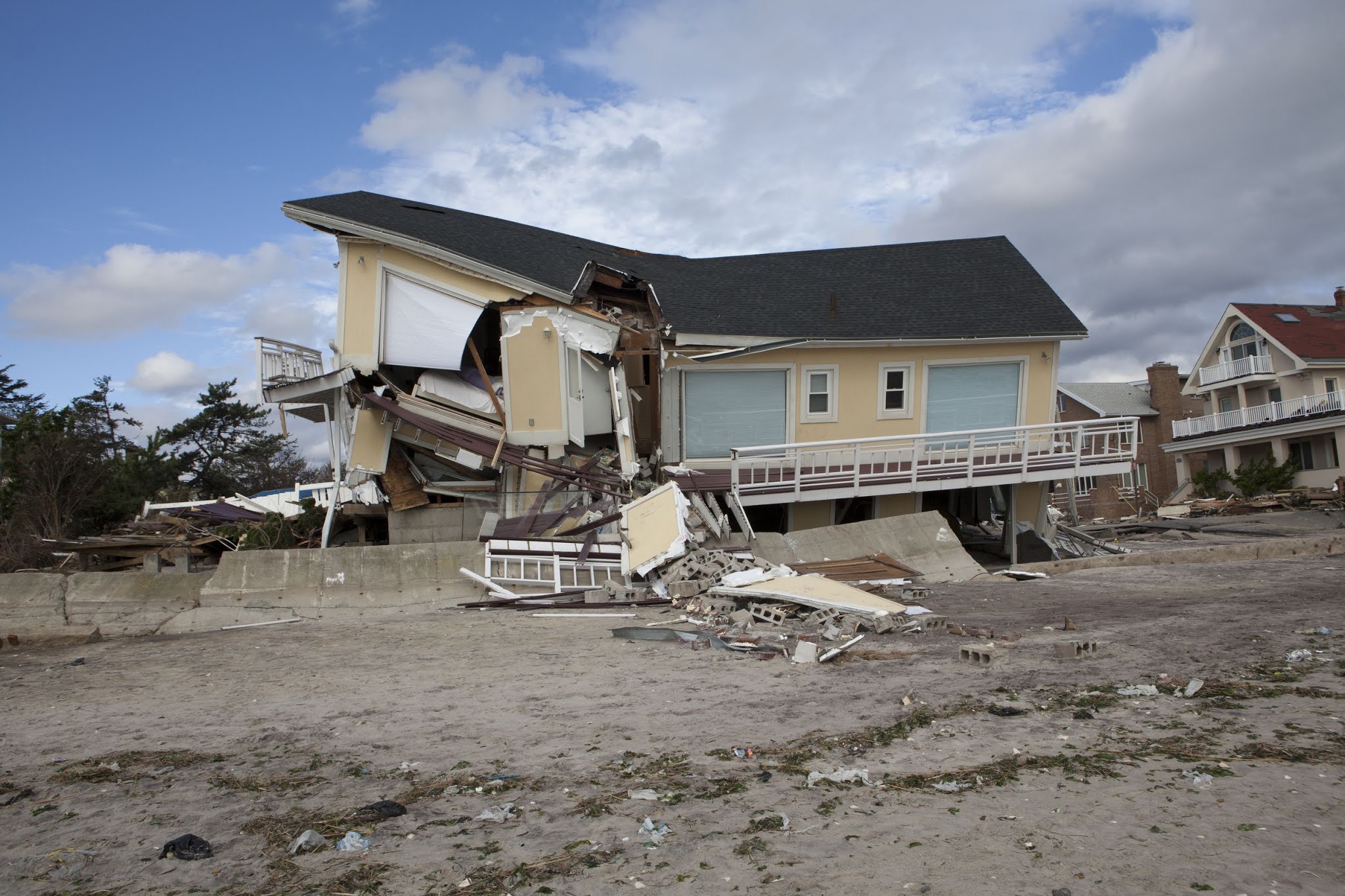
Tornado damage from the 2016 Kokomo Storm


A little over a year ago I moved in with my girlfriend who owns a house in suburbia north of Indianapolis. The biggest upgrade in the move (other than moving in with my hot, intelligent, funny, and sarcastic as fuck girlfriend, of course) is the fact that the house has a large, unfinished basement. It is important not to get too over confident regarding storms when it comes to basements and storm shelters, but they certainly hedge the odds when it comes to severe weather and storms, though can prove a disadvantage in flooding if constructed poorly. Never-the-less, your confidence can high for this storm season with the following preparedness points recommended:

  • Shelter
  • All-weather radio
  • Backup power
  • Fresh water stores
  • Food
  • First-aide/medical
  • Tools (for needed debris removal)
  • Documentation (insurance, the capability to photograph damage)
Stay safe out there!

Peace.