Showing posts with label Intermediate. Show all posts

Tuesday, June 28, 2022

Non-Lethal Self Defense; When just a little bit of pain is enough

 During a recent preparedness presentation on 72 hour bags I gave to the IT dept. at my work one of the questions that popped up at the end was, "What about guns and firearms?" This was a loaded question (no pun intended) if I ever heard one considering today's environment, but I provided a sufficiently, politically correct answer in my opinion. Explaining that I am firearms enthusiast and a "2nd Amendment proponent", I also clarified that "guns are not for everybody", regardless of the opinions of some folks out there. I then recommended some less-than-lethal alternatives for affective self defense without the need to put a (preferred) 3" hole in an attackers chest. 

However, non-or-less-than-lethal measures come with a training and proficiency requirement which, in some ways, is just as important as training and proficiency with a firearm. It's a shock to many people when I advise that just buying pepper spray or a stun gun and tossing it in your purse or vehicle's glove box is not sufficient. You need to intimately familiarize yourself with these items for them to be truly affective in a self defense scenario. Below I'll break down some of the pros and cons of the more common less-than/non-lethal self defense implements and strategies.

Disclaimer: Before pursuing any of these options, check local laws and regulations to ensure you remain within legal bounds when purchasing or carrying these items.

Also, please note that I'm not addressing the "bringing a knife to a gun fight" concept here. It's assumed that there is a power discrepancy between attacker and victim in which the protective tools and strategies listed below provide an equalizer for the victim's defense.

Pepper Spray


How can personal chemical warfare not be fun for the whole family? Pepper spray is one of the most common and readily accessible non-lethal options of self defense out there. It's relatively inexpensive and easy to find, even at your local Wal-mart or typical sporting goods store. Pepper spray comes in a wide variety of options. These include disabling compounds such as (literally) chili pepper extracts, and deployment methods such as an aerosol spray or gel stream.

Pros

Pepper spray canisters are very compact and can easily be attached to keychains or staged in purses. They're very easy to use with a small locking lever that's easily shifted into active status, and a simple push-button and aim process. Potency can vary, and some self defense instructors recommend upgrading to actual bear spray for maximum effectiveness against burly human beings.
Many versions of pepper spray also contain a dye that's visible only in ultraviolet light. This allows for quick identification of the attacker by law enforcement during their investigation after an assault. 

Cons

Dispersal, especially the aerosol kind, can be hazardous. Discharging pepper spray into the wind can easily blow back into the face of the victim rendering both them and the attacker helpless to the point it becomes a race to see who recovers faster and either escapes or continues the assault. 
Less expensive pepper sprays can be less affective and not adequately stop an attacker.

Stun Guns and Tasers

A good friend of mine was considering buying a stun gun for his petite, real-estate broker wife while we were at a prepper show one time. The vendor offered him 10% off if he but-briefly shocked himself with the gun. My friend (I'll call him "Larry"), who's an adventurous as well as frugal sort, started seriously considering it, pacing back and forth and asking me what I thought. Now I'm too old for such nonsense myself, so I tossed my hands up with a grin and stepped out of the situation to go shop for freeze-dried food. A few minutes later from across the vendor hall my son and I heard the easily recognizable pop pop of the stun gun along with Larry's yell of surprise. It wasn't long after when Larry was walking up to us with a slight limp and a self-satisfied smile at having saved 10% off his purchase.
Stun guns and tasers both provide an electric current through the body of an attacker, rendering said-attacker temporarily disabled so the victim can make their escape. 

Pros

I've seen 280lbs ex-cons go down instantly after getting stunned in the buttocks. Their explanation later was that they'd never felt such pain. Tasers and stun guns are also readily available in most States. Tasers come in a variety of deployment configurations, from wand-like devices so you can feel like Harry Potter (yelling Expecto Patronum! just adds to the satisfaction of sending your attacker to the floor in a writhing, quivering ball of flesh), to gun-type devices which work just like a firearm in a point-and-shoot feel.

Cons

Stun guns deliver their charge on-contact meaning you have to be up close and personal with your attacker to deploy. If you're that close to your attacker you're already losing, in my opinion. 
Tasers, which deliver their charge through two projected prongs, can avoid this, but those prongs must make contact with the attacker's skin to be affective. Heavy clothing such as a parka or even a heavy hoodie, or a mis-fire where one prong doesn't make contact with the attacker, voids the counter attack completely.
I've also heard of attackers who are in an altered state (read: drugged out and trippin'), can be completely unaffected by either tase or stunning. I've seen video of this where a very high woman was tased by police officers no less than four times in a McDonalds where she'd gone on a French Fry rampage. The tasing offered little to no affect in stopping the meth'ed out Karen.

Batons, Baseball Bats, and Bludgeoning Implements

Beating the ever-living shit out of someone who'd been trying to attack you a few minutes prior can be pretty satisfactory, but doing so can be harder and more dangerous than most people consider. This class of self protection weaponry considers anything from a fancy stick to improvised items. 

Pros

There's almost no end to what can be improvised into a self-defense bludgeoning weapon. I've seen modified pipe wrenches, legs of broken tables, and souvenir baseball bats and everything in between. Extendable batons are easily concealed on one's person or in a vehicle, and come in a variety of size options to suit the defender's needs. It's also hard to not look totally cool flicking one of those baton's into action and taking a ready posture which may very well intimidate your way out of a confrontation. Of course this image is quickly ruined when you have to find a slab of concrete to bang the tip against to retract the baton afterwards.


Cons

Again, using a bludgeoning weapon to protect one's self means your attacker has already gotten dangerous close to you. You run the risk of the weapon being taken from you and used against you at that point. On that note using a baton or other bludgeoning implement, frankly, requires training to be affective. Wildly swinging to try to just keep someone away from you, again, runs the risk of having the weapon taken from you. Get trained! Most martial arts studios will help you with this (for a fee of course).
The expandable baton's are illegal in several states and municipalities so, again, check local laws and regulations before purchasing or training with one.

Martial Arts

Pros

As the saying goes, training trumps gear. The three types of weapons above to provide a physical advantage in a self-defense scenario, however they fail or be taken from you. Being able to affectively fight with your physical body grants you access to self defense at all times including those times when any other weapon is simply not allowed such as a court house or Federal building or such. Additonally most martial arts programs offer training with weapons as well, making you even more affective with the bludgeoning class of weapons above.

Cons

Being an affective martial artist is a non-stop endeavor. It requires constant practice and at least a modicum of physical agility and strength. It's very unrealistic, even dangerous, to take an 8 hour rape-prevention class and believe you're "ready" for if that time comes. I would argue that the choice to become a martial artist is more of a life-style commitment more than a brief practice.
Health issues and even age can seriously and quickly diminish one's ability to utilize martial arts as a self defense option as well.

Final Thoughts

There are other options regarding non/less-than lethal self defense but in my experience these are the most common, often times because they're the most affective. Training and familiarity of usage cannot be over emphasized. I've been known to buy two containers of pepper spray and discharge one to see how it's going to disperse. There many good videos on YouTube regarding using the different kinds of pepper spray and tasers. Watch, read, and learn and, in the end, you may opt for more than one or even all of these options. Diversity is a very good thing.

In the end walking around city streets with an AR-15 strapped to your back or even a .45 on your hip isn't always practical or, to some, ethical, however this doesn't mean you have to be a victim by any means. There are many other extremely effective options to protect ones self, your family, and your preparations, and with just a little research and education the right choice can be made for your personal situation and goals.


Peace. 

Thursday, March 17, 2022

Levels of Preparedness Equipment - Part 1; Bags and Knives

Nearly every prepper I know has a budget in which to purchase their gear across all the categories of preparedness. From firearms to heirloom seeds to bunkers buried deep in the ground, those preparing for a disaster or disruptive event need to carefully spend hard-earned dollars to leverage their priorities. Whether you have a budget of $1,000 or $1,000,000, what you buy and how much you spend can define your level of preparedness over all. Spending $10 on a knife that breaks the first time you use it as opposed to spending $125 on a knife that lasts you 30 years can mean the difference between life and death in a survival situation, but that has to be balanced with what you can afford. I've always said there's a fine line of benefit between having cheap gear and having no gear at all. A $10 knife that breaks after cutting a cord at least cut the cord before it failed, for instance. 

Over time most prepper budget's grow and with greater funding comes the ability to afford better quality gear. Also, with the ability for online selling, such as on Facebook Marketplace, Ebay and others, we preppers can engage in virtual swap meets, selling our older gear and buying better stuff cheaper either new or as 'gently used'. With that in mind let's break down levels of new, store-bought prep gear based on what you can afford. 

For this installment we'll start with the most expensive components of your 72-hour kit - Bags and Knives. We'll cover home and vehicle prep kits in later segments. I may also delve into other gear such as water filtration systems and first aid kits later down the road. 

Disclaimer: I am not getting any 'kick back' for listing these items, and this post is in no way meant to be an endorsement of any company or product. The pricing I list for any individual item is as of the writing of this post, and sale prices are tagged with '(s)'. This list is also meant to be a 'basic' break down regarding bags and knives, and will not cover all aspects of either. It is meant to be a reference for those starting a preparation plan and 72-hour bag or those seeking to improve their existing plan or kit.

Bags


The actual bag packed for bugging out or evacuation is critical. At the lowest tier a bag must meet the following criteria.
  1. Size; to accommodate three days worth of supplies and gear, a bag should not be smaller than 50 liters, and preferably 60 liters or even larger depending on the physical stature and athletic capability of the person hauling it.
  2. Material; a bag should be made of a solid composition, such as a heavy nylon or milspec canvas in quality. The bag should be resilient enough to track through heavy brush and woodland or grind along brick and mortar buildings in an urban environment without tearing and spilling your supplies all over the ground.
  3. Appearance; having a solid tactical, military-looking bag is all badass and such, but can draw unnecessary attention. It just screams, "Hey look, that guy has stuff," and can give the impression that you're a(n active) member of the military. I strongly sway towards a hiker's backpack that will call less attention to you.
Not only is your bag arguably the most important component of your 72 hour kit, it can likely be the most expensive. Pricing varies widely based on material and layout.
  • Inexpensive: Walmart.com, Aibecy Hiking pack - $56.49.
  • Mid-cost: Dicks Sporting Goods, High Sierra Pathway - $109.99
  • Expensive: REI, Osprey Traverse - $229.00
  • Richy-rich: REI, Osprey Aether Plus - $350.00

Other Considerations

Aside from the three required criteria above, backpacks come with a host of options to be considered, such as fit, weight distribution, expandability, and load-out configuration. When shopping for a bug-out bag with my fiancé, we went to REI to check out their selection. One thing I really like about REI is you can test the gear. They have weighted sacks you can use to simulate gear and load up your chosen backpack then you can try it on and see how it fits on your physical frame. I picked two packs within our budget and my fiancé snagged the cheapest one and headed to the checkout. I told her she needed to load it up with the weights and try it on to which she replied with a shrug, "Why, it's a backpack. They're all the same", but she headed to the table to load them up and try them anyway. I stepped away to shop for survival food and when I came back she had the other pack in her hand. "Yeah, this one feels a lot better with stuff in it" she admitted. Trying out a backpack and having a plan on how you want to load it can help with the decision on where those precious dollars go, too.

Knives

Having a good quality knife on hand cannot be over stated. Still, some of the best knives I've had throughout my life have cost me less than $50. One of those funny "psychological ironys" I've seen and experienced is spending $100 or more on a knife and not using it because "You don't want to mar it or mess it up," but the cheap $25 knife that you don't care as much about is the one you drop in your EDC and becomes your favorite because you use it every day.

In this section I'll break down knives and offer tiers for folder and fixed-blade options. For the fixed-blade options I required them to be full tang, but didn't go into other qualities (such as steel type, length, shape, etc) for the purpose of scope.


Other Considerations

Even more than backpacks, knives come with extensive options and features all focused around intention. Blade shape, composition, and length all vary, as can handle and over-all weight. Other options of a knife purchase might include a good sheath and even accessories, such as ferro rods, that may come packaged with the knife itself. Depending on your knife budget, spending just a few more dollars may offer a considerable upgrade.

Final Thoughts


Upgrading is the key to maintaining and improving a solid preparedness posture, and everyone who has a preparedness plan should always seek to better their position through improving their gear. Regarding the conflict between the cheapest of gear and no gear at all, I believe in having at least the cheapest of gear. I'll work up from there.

Peace.

Tuesday, November 23, 2021

Preparedness and Physical Fitness

 Well, I weighed myself the other day and topped out at just under 200 pounds. For me, that's heavy, very heavy. At my fatest I tipped the scales at 216 lbs. and my ideal weight is between 175 - 185 lbs. depending on muscle density. Needless to say I'm a little concerned, especially with the holiday season and it's accompanying food are fast approaching.


Being in good physical shape is a key element in the prepping lifestyle. This doesn't mean you need to run 5 minute miles or do 30 pull-ups with a 50# pack on your back, but you should be at a good and healthy weight with solid health habits. For a lot of people this is old-hat, but let's outline some of the benefits of a base-line level of health below.

Psychology

It's a proven fact that healthier people are happier people. A positive self image and an overall contentment lead to better moods even when life's other stressors threaten. Confidence and high self esteem abound when a person is over all more fit and healthy than not.

Prepping Affect

Having a positive outlook caused by knowing you're relatively healthy leads to better decisions and stronger confidence levels when preparing for disasters

Mentality

Eating right and exercising increase blood flow to the brain. In short, healthy people can think, reason, and deduce at faster levels. Healthier people are mentally sharper people. Now this doesn't mean healthier people are smarter people, but brain functionality in someone healthier is more responsive and extensive than in people who fail to maintain a healthy diet or exercise levels, and healthy folks inspired to, say, earn another college degree or vocational certification will do so at an easier pace.

Prepping Affect

Healthier preppers think more soundly and can address problems with disasters that threaten them in better ways. Thinking better leads to better, more affective preparedness.

Physiology

Of course this is the main benefit. Being healthier just leads to a better life, such as being able to walk up a flight of stairs or carry more groceries per-trip in from the car to the kitchen.

Prepping Affect

Whether you're bugging out with a 35# pack on, slinging cases of water into your pantry, or running from a hoard of zombies, preppers need to be able to actually do some physical labor, and being more on the fit side really helps.

Some helpful links

Developing a Fitness Plan

As I recommend with everything else related to prepping, a fitness plan should be incremental and in easily consumed chunks of development. Smooth and steady wins the race, and the biggest mistake humans make when trying to get into shape is doing too much too fast. Start with the mentality that you just want to improve your current fitness level by one notch and go from there. Also, keep in mind that this is a base-line, simple plan. For those preppers already in good shape, this will probably be a little light for you. A nice simple plan should start with...

  1. A healthy diet. Reduce snacks, including pop, and red meats, and increase healthier foods like fruits and vegetables. Notice I said reduce. I didn't say eliminate. You can still eat snacks and red meat, just don't eat that whole bag of chips or bacon for every meal. The key is moderation.
  2. A fitness routine. We have an Echo Show (Amazon/Alexa device), and one of the cool routines it will show you is a 7-minute workout. It's nice and simple and doesn't need weights or even a lot of room to do. Seven minutes and you're done. Getting up and walking a mile outside is excellent cardio...as long as you do it at a good pace. Just remember, any additional activity inserted into your daily routine will help. Keep the mix varied, a combination of functional weight training and cardio; try to perform your routine the same time every day; take breaks from your routine, such as on weekends; and smoothly increase your routine as the exercises get easier.
  3. Workout with others. Go to a gym with a friend, or better yet get your whole MAG (mutual assistance group) involved. Doing so allows you to encourage each other and be there for each other if someone starts to slip back into old, bad habits.
  4. That which is measured is improved. Track your progress. ...but don't get discouraged. Measure your weight and how well you do with your routine each time you work out, but if you miss a day or miss a goal do not quit. I had a goal of being able to run a mile in under 8 minutes when I turned 50. I failed to do that, but I realize that's okay. I'm still in better shape than a lot of other 50 year olds and I'm going to keep that up. Blank days in your log or tracking software are more hiccups than failures. The important lesson there is that you do your routine the next day after the one you missed.


5.  Keep it up. It takes 3 months of performing an activity for it to become familiar, 6 months for it to become habit and a year for it to become part of your natural lifestyle. Another word on this topic - living healthy and exercising becomes easier over time so again, don't get discouraged.

Final Thoughts


A good fitness plan and healthy diet should be part of any preparedness plan, but they should also be realistic and achievable by the individual prepper. Having at least a base-line level of fitness is critical to being able to prepare for disasters and life-altering events. Be healthy, be safe, be happy.

Peace.

Wednesday, June 30, 2021

Preparedness Kits and Bags - A Few Examples

 Ask my fiancĂ© and she'll confirm, I'm a sucker for a good bag. Tactically designed with lots of pockets and expandability and I'm throwing my money at the cash register. In the preparedness community there are several types of bags, and kits most 'preppers" herald to suit a variety of purposes. In this post I hope to cover and clarify a few of those kits along with their intended purposes from convenience to surviving disasters.


The EDC Bag

EDC = Every Day Carry for those of you not familiar with the parlance. For most of us our EDC kits consist of what we can stuff in our pockets or on our belts (hence why I swear by cargo pants/shorts), but for a few that's not always enough. A small bag for the over-fill is either necessary or comforting to these folks. EDC bags tend to be smaller in size, maybe only a liter or two, and contain knives, a fire making kit,...even a firearm and ammunition, etc... . In my particular life situations, an EDC bag is overboard, but, again, for others it's a suitable solution.

The Day, or Hiking, Pack

A few steps bigger than an EDC bag, a day bag is designed for outings where more resources, such as food or snacks, may be needed. This is the bag I use for hiking. Not only do I drop a bit more food and water in there, but I'll also have a first aid kit, a fire building kit, a heftier knife, rain poncho, and some paracord. The volume of these items will depend on where we're hiking for that day and the weather. Hotter means more water. Farther will mean more food. The other items are "just in case" necessities that would allow me to live off the land should the hike go really bad or we get lost, etc... 

The Vehicle Bag(s) 

I warred with this one for a while. I've seen countless writeups on car kits and most articles seem to trip over whether the bag is designed for automotive repair or survival of the occupants. My solution? Two bags - one for each purpose. 

Vehicle Repair Kit


This bag contains items needed for quick-fixes and maintenance for your car. Items should include (among other things) reflective triangles, flares, a shovel (for snow and dirt), a can of Fix-a-Flat, etc.... I also have a wrench and socket set that includes screw drivers and a hammer and other tools. These types of kits can be found even in local retailers so it's not necessary to build one of these from the ground up, in my humble opinion.

The Car Survival Bag

This one tailors to you and your occupants in the event of an emergency. Extra food, water, a candle and coffee can (warmth and light), first aid kit, a change of seasonal clothes, etc... should all be included in this bag. The contents may rival that of a 72 hour bag and some people into preparedness refer to this particular bag as a Get Home Bag since the contents may have to be robust enough to get you through a hike back to home or at least to safety once other options are exhausted or it becomes too dangerous to stay with the vehicle at some point.

The 72-Hour bag (or...Bug Out Bag (or....BOB))

Everybody into prepping and preparedness knows this one. The bugout bag contains enough food, water, shelter, medical supplies, etc.... for it's pack mule (i.e. you) to survive for 72 hours, on or off grid. The bag should be kept at the ready at home, it's contents checked at least once every six months, and should be employed when it's no longer safe to stay at your home. This the bag that, when it's no longer safe to shelter-in-place, you grab and go with the intention that you will return to your house at some point once the danger is past.


The INCH bag (or the I'm Never Coming Home bag)

I've seen this idea tossed around a bit, but I've not quite been able to wrap my head all the way around it. Supposedly the INCH bag is a BOB on steroids. If you know you're not returning to your place of residence, this is the bag you grab. Sustainability is key, here. Space you would take up with dehydrated meals may now be taken up with equipment for making snares or performing a field dressing on a hunted kill. A smaller hydration pack may be used to make way for a larger water purification system within the pack. The bag itself would be a minimum of 70 liters or larger, and may be an external frame design for long treks. The bag and the load-out would be identical to a through-hike backpacker setting to trail over the course of two months or more.

Final Thoughts

There are endless types of bags and configurations in between these general examples I've listed, but over all this set of bags should cover most catastrophic disruptions (and minor convenience needs) depending on where you are and what you're doing. The first thing to consider when looking at these types of bags, should you decide you want to expand your bag collection, is the intention of the bag and contents, 100%. Once you have the intention, pick the right-size and type of bag, then start stocking the bag from there. As with a 72-hour bag, I think it's critical to regularly review all your bags, their content, and make replacements, restock, or improvements as needed.


Peace.

Wednesday, June 2, 2021

Points Of Preparedness Failings

So, over the last several years in my quest to be more prepared for disasters and other disruptive events, I, like most experienced "preppers" have ran into a few standard fault-points where I stumble. Below are a few of these areas where I let-loose the reigns and tend to fail with my on-going preparedness level. I'm outlining these in hopes to 1. stop myself from doing them and b. help others to be watchful of these pitfalls to preparedness, themselves.

Failure to follow the “always improving” protocol

The Marines follow an edict that drives them to always improve their current situation, regardless of what that may be. Too often I find myself buying preparedness equipment on a budget, but not improving that equipment when I have a little more money. We all fall into the "a little is enough" fallacy where we skimp on gear, supplies, or even training in order to just put a checkmark in that box and move on. 
Imagine if you will that you buy a $5 "survival knife" from Walmart and chuck it in your BOB only because you're told you need one, but don't want to spend more cash at the time. A year later the zombie apocalypse occurs and you grab your BOB and hit the local state park (yes, I know some are cringing at that). Unwrapping your "trusty" $5 Walmart special, you're able to cut up some tinder and grab the ferro rod, but on the first strike of the rod the blade of the knife snaps. Now, guess what? You're likely about to face some zombie chompers.


The "always improving" protocol dictates just that; identify lacking or slightly insufficient components of your preparedness plan and, as soon as you are able, improve them to the best of your ability. Sure, you may only be able to buy a $5 knife from Walmart when you first build your BOB, but, say 6 months down the road you have a little more cash so that would be the time to head back to Walmart and upgrade to the $30 knife. This isn't to say you should eventually spend $1000 on constant knife upgrades; there is a peak limit on quality, training, and experience, but this is why it's critical to have a realistic preparedness plan with obtainable goals. Those goals should include a rugged and reliable knife, for instance, so going back to our analogy  once a sufficient knife is equipped in your BOB then you can slow up, check off the box and relax regarding that particular requirement... until you win the lottery and can afford that $400 laser-etched survival knife used by Bear Grills in his latest adventure.

Of course, always improving goes beyond BOB's and knives to every single aspect of preparedness. Again this falls to your plan. See more on that below.


Failure to regularly review preparations

Yep, the zombie apocalypse has occurred and your $5 knife just broke, but you're in luck, the shambling crowd of undead got distracted by a family of four setting up their tent so you're safe for now. The only problem? It's late December and it's just started snowing. Desperately digging through your BOB before you get too wet and cold you realize the only clothing you have in there is a pair of cargo shorts and ankle socks tossed in when you first configured your BOB...in late spring.

Sometimes burn out or boredom take hold and I fail to perform regular maintenance on my preps. However, this is a dangerous task to miss. Depending on your tolerance, I would recommend a review of current preparations at least once every three to six months. I tear my BOB apart and review it's contents at least every six months A. to refamiliarize myself with the content and location and 3. to swap out seasonal gear. I do the same for shelter-in-place preparations for the same reasons, and to check expiration dates on consumables.


Failure to regularly review and update preparedness plan. 

Sprinting back to your house to get more appropriate clothing during the winter-time zombie apocalypse you meet up with, of all people, your wife of 3 years who was also desperately trying to get home from work, herself. Oh yeah, you think as you surreptitiously check her over for zombie bites while she cries in your arms. Almost forgot I got married a while back. Together you make it back to your house and as you go through your shelter-in-place preps you realize you only have enough food and water for one person for two weeks. Since there's now two of you, you only have food and water for one week. Balls. 

Within the last 2 years I've relocated and tripled the number of people I have to prep for. During my divorce three and a half years ago I had to sell all but one firearm, so within the last year and a half I've had to re-evaluate not just my preparedness supplies but my plan over-all. Life changes occur regularly, and sometimes so smoothly, or even not so smoothly, that you don't consider your preps during those changes. A regular review of your preparedness plan with the necessary updates helps to prevent these surprises. Any time you have a major change to your life; marriage, divorce, a new child, etc... it's time to review and upgrade.  Since moving in with my fiance, we've tripled our food and water storage, dramatically increased our security operations and posture, and made countless other preparation changes to accommodate not just more people, but the animals we own, too.

Final Thoughts

It really is easy to get burned out regarding preparedness, or to get distracted from the tasks-at-hand when other life events, good or bad, sweep your attention away from your preps. These three fail-points can be avoided as long as proper balance with life and preparedness, and a bit of mindfulness, are applied. In the past I've even set quarterly or bi-yearly reminders for my preparations reviews on my Google calendar. Going through your preparations and reviewing your plan, even just twice a year, can help prevent these pitfalls without consuming your attention or leading to burn out.

Stay safe.

Friday, May 7, 2021

Hey You're All Prepped! Um...Now What?

 I've often wondered if there was a critical mass level involving preparedness....a point where "enough is enough" and you don't believe you need to go farther in your preps. For instance if you're prepping for a 2-week disruption for a family of four, and lets say you have all the calculated food, water, medical supplies suggested for that time frame. You also have all bases covered regarding security operations and utilities (alternative energy, water purification, etc....) for a grid-down situation, and you have four, individually configured bug-out bags all ready to go with a bug-out location targeted. The question becomes; "What now?"

The following are a few answers to that question that you should consider even after you believe your preparedness plan is fulfilled.

Sustained Maintenance

This never ends. Food and medicines have expiration dates and need replenished. Water needs cycled. Skills need practiced (firearms, first-aid) to keep them sharp. Apps like StockUp help keep track of those pesky expiration dates and even warn you when it's time to start cycling out those consumables.

Upgrades


Sure, you have everything you need, but are those 'things' good quality or sufficient for your preparation plan? Maybe you skimped a little on that generator you bought, choosing the one that would only power your refrigerator during power outages, but now it's time to save up a little and buy something bigger. Perhaps you bought the skimpiest little knife from WalMart for your bugout bag and it's time to get something a little more robust. Saving up and purchasing equipment upgrades, or signing up for classes to increase your knowledge and skill level, is another one of those "What now?" options on the 'never ends' list.

Run Drills

...and test those skills. Periodically do a mock bug-out, or cut the power and water to your house and function 100% on your preps for a bug-in weekend. These types of drills not only keep your skills sharp and allow you to identify holes in your plan, but they allow you to thoroughly test your gear in case you need to Upgrade as mentioned above. Just remember to replenish or replace those consumables you've used during your tests.

Expand Your Preps

Sometimes a disruption can last longer than those two weeks, or perhaps your family unit has grown beyond the nuclear four. Prepping for friends and forming a MAG (Mutual Assistance Group) could force the need to expand your stores of preparation supplies as well. In these cases grow your stock beyond those two weeks or four people.


Final thoughts

Many older, cranky preppers will tell you there's never a critical mass-point in your preps and you should always grow and improve. I can't argue with that, but such an attitude can lead down the path to prepper-obsession or even burn out where people stop prepping altogether. To avoid both it's critical to have a realistic preparedness plan and stick to it, then maintain, upgrade, test, and/or grow that plan as you see fit based on your finances and comfort level. 


Stay safe!

Thursday, May 6, 2021

Morale Boosters

Good, positive psychology becomes critical during a disruptive or grid down event. People deal with disruption based on their own experiences, expectations, and even current mood. Fear and panic can occur even in the most hardened soldier when things go sideways quickly. Maintaining morale and keeping a positive attitude throughout a long-term event can become critical, even life-saving, very quickly. Below are some items and methods to keep you and your loved ones thinking positive during a disaster.


Food

An empty stomach can lead to being hangry (which is a real thing), cause serious lapses in judgement and reasoning, and in the later stages of advanced hunger, cause small-muscle trembling and loss of coordination needed for precise physical activities. A steaming cup of coffee or hot chocolate; a warm delicious meal; a glass of a good bourbon ... all of these things can dramatically improve mode and outlook during a disruptive event. Food = nutrition which can restore focus and increase positive decision making, but the food has to be edible and, to an extend, enjoyable. 

A lone-prepper waiting out a power outage may be fully content gagging down MREs and reminiscing about his or her military days, but an 8 year old in the same situation would likely refuse such a meal (and I wouldn't blame them.) The primary thing to consider when stocking up on food for your preparations is just that; how good and tasty is the food you're storing? It has to be something your family or group wants to eat.

Of course nutritional value is another huge factor to consider when storing your food preps. Cases of popcorn as a primary meal is not going to provide the energy needed to perform physical tasks, though a few bags of popcorn to serve as a treat would be helpful. As clichĂ© as it sounds your food stores need to be delicious and nutritious. 

Music

Good tunage can make or break a situation. Just ask Beatles fans who went and saw Yoko Ono in concert. A weather radio should already be on your list of preps, and one that gets AM/FM frequencies can help provide mood-lightening music. If you have the power (stored batteries, generator w/ charging cord, etc...) an MP3 player and decent speaker can allow you to customize your play list and avoid counter productive commercials from the radio and allow your weather radio to remain tuned to the emergency channel while you listen to music. 

Kill me now.
The selection of music should be carefully considered. Our ex-military prepper may enjoy a little hate-thrasher melodies, but our 8 year old may not. Then again, a playlist with nothing but Barney and Kidz Bop may prove so annoying to older adults they may wish the disaster would have taken their lives so they could have some peace. Streaming services like Spotify and Pandora allow you to not just customize multiple playlists, but download them onto your device so they can be played offline. The downside to those options is there is a monthly subscription fee.


Video Games/Electronics

Again, this one's dependent on power options, but if you can swing it hooking up a console or playing games on a charged phone can provide a distraction for a few minutes. Due to the power restriction, time playing such games should be very limited. Still "kids these days" are highly dependent on electronics for continuous and random engagement. Admittedly a teenager, or even a young adult, denied access to electronics may quickly become demoralized and depressed. Allowing small periods of electronic engagement may boast their spirits for a time. 

Books or Games

This is one for us older folks; engaging books and literature can provide hours of distraction and boast morale by taking our minds off of things. Non-electronic games such as board and card games can also be good distractions until the event is over.

Conversation and Humor

Sometimes conversation amongst humans can be enlightening and engaging and help pass the time. However, sometimes not so much. Caution must be taken to keep the conversation up-beat and positive. Conversations among people with different political or religious bents should most-likely be avoided as they can lead to the extreme opposite of a higher morale....such as beating the crap out of one another.

Humor's an excellent way of keeping attitudes high and happy as well. Again it's angled toward individual tastes and audience appropriateness, but having funny cable programs or stand up comedian performances on bluray or flash drives to be placed on a computer can seriously boast outlook of an otherwise dire or boring situation.

Final Thoughts

Regardless of experience, the unexpected, such as a disaster event, can have devastating effects on morale of an individual or entire group. Anticipating this emotional-hit and compensating for it in your preparedness plan can help assuage issues called by low morale before they even start to take root.

I have an 18 year old son who's been my prepping buddy for years. One day, when he was 16, we were sitting around the house going through our bug-out bags and he was showing me all the progress he'd made. I asked him, "What about a morale booster? Have anything for that?" I fully expected the question to trip him up, but instead he looked me straight in the eye and replied, "Oh yeah, I got that covered." He promptly pulled out a picture of him and I and said with a knowing smile, "I keep this handy at all times." I gotta say, it choked me up a bit and filled me with pride, believing in his darkest moments he would pull out that picture and be strengthened emotionally and mentally.


Me with my youngest son and prepping buddy.

Peace.

Friday, April 30, 2021

What “type” of prepper are you?

The act of being prepared for a disruptive event spreads across all social-economical levels regardless of political or religious affiliations, gender or sexual preferences, wealth, or philosophical bent. It stands to reason to take a step back and analyze what type of prepper you are based on the strategy you employ and the resources you can put into preparedness. I strongly believe that by analyzing your individual preference and strategy regarding prepping you can tweak and adjust your progress in preparedness on a yearly, monthly, even daily basis. 

Psychology and Philosophy

I've already posted an article discussing the anxiety-driven inspiration of prepping and, though that's not a 100% negative reason to prepare for a disruptive event most of us are driven by other factors in addition to anxiety. I invite the reader to take a step back and list the reasons, beyond "I don't want to die", as to why you prepare for an event. 

Many preppers prepare out of a sense of obligation toward their friends and family, for instance. They feel the need to play the sheep-dog and ensure the safety and well-being not only for themselves, but those they love. I've also chatted with preppers who prepare because they believe doing so empowers them as an 'alpha member' of society, providing an advantage over other citizens who fail to prepare for such inevitable disruptive events.
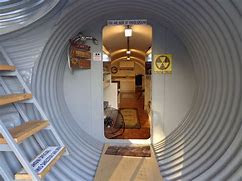
Religious drive can be dropped into this category as well. Several Christian denominations and sects take the words found in the book of Revelation to heart, heeding the interpretation as God commanding them to prepare for the coming end of days. I'd heard a few years back that the Church of Latter Day Saints (commonly referred to as Mormons) required their members to have a 2-year supply of food, water, and medical supplies, though since then I've heard-tell that's been reduced to just a 6 month supply by church direction. 

Resources and Strategy

Those of us 'into' preparedness all have a strategy; a method that best suits our philosophy and ideals to give us what we believe to be the best advantage during a disruption. Below are examples of this ideal.

The Homesteader

This individual typically scorns material wealth and instead chooses to live 100% off-grid, growing their own food, powering their home with wind and solar energies, and learning to scavenge resources such as old cars or 'junk' others discard and turning these items into highly useful objects. Homesteaders learn to live off the land in a far more dependent fashion, seeing modern materialism as being fragile and easily broken. As a result they limit their dependence on modern goods and services, or eliminate them from their lives altogether. 
Homesteaders tend to prep for disruptive events such as social or economical collapse, an EMP event, or even an asteroid strike or super volcano eruption. The homesteader sets themselves up for when there's no longer a grid to connect to and when society must revert back to dependency and living off of the land.
Generally speaking the homesteading strategy is a poor-man's choice (this is not a bad thing). With only a little startup revenue a prepper can dip their toes into homesteading with a little land and a lot of know-how. It's the know-how that's critical to a homestead prepper, far more-so than money which would be rendered useless in a SHTF event by their take. It's also this know-how and knowledge of homesteading that many peppers new to the strategy seriously underestimate, and they pay for it, too. City folks moving out to the rural environment without knowledge of living off the land or sheltering themselves properly find themselves in a world of hurt long before the disruption they're preparing for actually occurs.

The Urbanite (and Suburbanite)

It's seriously underestimated the number of people who want or need to prepare for a disruption who also live in, or on the outskirts of, a major city. Most seasoned preppers will tell you in a serious grid-down situation, cities become death traps with hoards of looters running the streets, resources slim, and martial law restricting every element of life. However, for countless Americans living in a city is inevitable or unavoidable. For these citizens the strategy becomes one of mitigation and incremental improvements for if/when a disruption occurs. Cleverness becomes key. Strategies on storing food and water in limited locations, acquiring firearms and other forms of self defense, and plans to escape the city limits (or draw farther away from them), all factor in to the preparedness method for urbanites. Obscurity and heightened self awareness also become critical in this strategy.
Urbanites really need to prep for anything and everything since the city will attract or be prone to it all. Social and financial events will hit the cities hard. Earthquakes and hurricanes in certain parts of the country are very real threats, and EMP/CME events will hit cities and urbanites within them the hardest. It's no wonder "avoid cities at all costs" is parroted among preppers all the time. Urbanites must account for all levels of disasters in their strategies and have a multifaceted approach to bugging in and bugging out scenarios. 
Wealth and material resources become more crucial for the urbanite as cities, themselves, tend to be financial centers of trade and commerce. Having the financial means to live in a sufficiently large apartment, for instance, or being able to afford a storage container near-by their home will leverage an urbanites position in accumulating and storing preps. Being able to upgrade from a 2 bedroom to a 3 bedroom will grant just that much more storage space...at a cost. Transportation costs also tend to be very high in and around cities (most New Yorkers rely only on public transportation because of this), so even getting around or bugging out can prove financially challenging as well. All that said, Urbanite preppers don't need to be mega wealthy. As usual, preparedness is a long-term, even permanently on-going goal, and urbanites critically need to push towards this goal within the limits of their budgets.

The Wealthy


And then there are the wealthy. Having solid financial footing to the point you have the income to toss into prepping without care is a dream most preppers share. If you have the money, any strategy can be implemented and that strategy typically includes insulating the wealth itself. Practices such as diversifying investments, buying gold and silver, and storing wealth resources in creative locations (literally burying cash in the back yard) all become part of the plan, all in addition to using a percentage of that wealth to prepare for whatever disaster keeps the person up at night.

Bunkers, extensive bug-out vehicles, 3-month supplies of freeze-dried food, and enough firearms to supply a 3rd-world country are all within the realm of possibility for people with the cash. The age-old idea of "just toss money at it" becomes the go-to answer to disruptive potentials. Wealth preppers are often criticized, however, as the toys and gadgets they buy to prepare for disruption can often break or wear out. Trucks can break down or be destroyed, ammo spent, fancy clothes tear, and so on.
Being a wealthy prepper is the stuff of fantasy. Even if you're preparing for an economic collapse (and the loss of most of your wealth), buying a crap ton of preps now, storing them all away safely, and diversifying the remainder is a decent strategy.

Final Thoughts 

Of course these are just broad-scope categories and many people into preparedness bridge across one or more of them. Then there are the casual preppers who center their preps around simple disruptions like short term weather events or the like, and who may not go to such extremes as any of these three categories. In my humble opinion the homesteader takes the award as the Most Sustainable strategy. The Wealthy is the most fun-if-fantasy strategy. Lets face it; most of us are simply not going to win the lottery or inherit the millions of dollars to set us apart in this fashion. Then there's the urbanites, and suffice it to say I'd wager that most preppers fall somewhere along this particular strategic spectrum...not quite homesteading, and not super-comfortably wealthy. These preppers are forced to balance a check book each time they make a major supply purchase, but don't necessarily have the land or knowledge to live off-grid 100%. 

Your prepping strategy boils down to your philosophy (why you're prepping) and the resources you have to initiate the best plan based on your philosophy. Money, although the root of all evil, is absolutely required to move forward with a plan. We're not in a barter system quite yet, so a core foundational budget is crucial to success, even if you're planning on homesteading, an urbanite, or if you're a casual prepper. A good prepping plan starts with a philosophy and continues with a solid budget. Build from there.

Peace.

Thursday, April 22, 2021

Subscription Boxes - Thoughts and My First BattlBox

 I recently signed up for and received two subscription boxes from Battlbox.com, linked through a prepper podcast I've been enjoying, and I thought I'd share my thoughts and experience with the shipment. A lot of people into preparedness turn their noses up at subscription boxes and not for bad reasons at all. As I read on one preparedness forum I'm a member of, most people, "save the money you'd spend on random stuff and use it to buy stuff you actually need." Although I whole heartedly agree with this statement I'm not to the point of writing off subscription prepping boxes just yet.

Most subscription boxes such as these offer tiers of membership. Battlbox themselves offers four tiers; basic, advanced, pro, and pro+. Pricing ranges from $30 per month to $160 a month. There are additional boxes out there (some links at the bottom of this post), but a cursory search and I found TacPack, BespokePost, and Cairn subscription services.

**Please note that most of my assessment and comments have to do with Battlbox and these shipments altogether. Other subscription boxes may offer a different experience for a different value.**

What I got

When I signed up for the subscription I paid for the lowest level, Basic, and went ahead and splurged for the bonus box Battlbox offered. Both boxes came the same day and had the following content.

The Bonus Box


Four items came in the bonus box I received; 100' of paracord, a large camp towel from Grenade Soap, a Zippo Typhoon match kit (award for being the most useful/coolest), and a Colby Valve. Now, I had no idea what a Colby Valve is, but the packaging states it's, "...the only tool-free solution for replacing tire valve stems on-location in 5 minutes or less." This threw me for a serious loop. I've never had the need to replace a tire-valve stem, but I suppose if I had a bug out vehicle/golf-cart type of ride, this may come in handy at times.

The Standard Box


Again, four items (probably the standard), which included a cordage micro tool (used for shredding plastic bottles into cordage, apparently), four CamJam cord tighteners, a book; The Emergency Survival Manual by Outdoor Life, and a Buri drop point knife by Gear Aid. Fun fact! of the four items in this box, I already had two! The CamJams, which I'd bought from a local Tractor Supply and the book, which I'd picked up about a year ago at a local book store. I wasn't that upset about the CamJams; they're certainly something I can use more of (like firestarters), but the book indicated to me that I'd reached some level of peak saturation in one degree of my preps. Am I that addicted? (yeah, probably). Of course I don't blame Battlbox for these duplicates. They have no way of knowing what I have in my inventory.

Professed Value

One of the major pushes for subscription boxes is that you get more in gear value than what you actually paid for the box. I paid $30 for this month's subscription, for instance, and the knife alone is valued at that. The slight rub on this is the 'value' of the items indicated is tagged at the manufacturer's suggested retail price (MSRP) which, come on, everybody knows is over inflated already. Sheesh. Off the shelf at your local sporting goods store, that same knife would probably run you $25, and I saw a similar blade online for $10 off. The CamJams I'd bought were on sale for $5 to $7 dollars for the same four pack on clearance. The book has an MSRP of $29.99, though I paid less than $15 for it at my local book store. 

Dollar amount aside the quality of items in the boxes is overall high. From what I've seen and heard, specifically from Battlbox, this stuff's not junk. It tends to be mid-to-top quality gear. Add to that the fact that some of the items I may not typically find on my own, or even think about looking for. As an example, though I've not tested it yet, a small tool that can shred a plastic bottle into useful cordage is pretty slick.

Why Subscribe?

In general I can think of two good reasons to subscribe to a service like this.

You Can Afford It and Enjoy Monthly Intrigue.

This one may fall under the category of "wealthy prepper", but some folks may be able to chuck away the $30+ dollars a month for gear that's delivered right to their door. If you are already secure in your preparedness, have the financial resources to be a little frivolous, and enjoy a monthly "surprise", getting a subscription box may be or you. As you can see in the boxes I received I at least achieved the dollar value (MSRP, that is), I paid for in the box within one or two items. The rest was cheddar. 

You're Brand New to Preparedness and Aren't Sure Where to Start.

Over the course of weeks, months, or years, we people who are into preparedness accumulate quite a bit of gadgets and do-dads we can use to form sufficient kits and bags. I've gathered quite a bit of books and knowledge over time as well, but to someone brand spanking new to prepping it can seem overwhelming the amount of gear and raw knowledge needed to become sufficiently self reliant. A monthly box of gear can give you a good place to start, and kicks off that trend of gathering the right kind of gadgets and toys.

Looking at the two boxes I received in my first shipment, for instance, and we can see a new prepper would have a few essentials already; cordage, fire-starting capability, a decent knife, and a book to start a foundation of knowledge. Honestly, this is not too bad at all, and even aligns with Battlboxes claimed philosophy of providing materials and items useful in the Survival 13 key by Daniel Dabbs. To a brand new prepper, this is a great start and I commend Battlbox for being this thoughtful. 


Why or When Not to Subscribe?

Money is usually a factor when prepping and some of us simply don't have the funds to burn $30 a month on unknowns, especially if we have a dedicated plan where that $30 can be more precisely applied. Even for a newer prepper who has a detailed plan and who's still building up food stocks or other basics, that $30 can help towards those specific goals much more efficiently.

There is also the question of value. "IF" you had a crystal ball and could see what you're getting in the boxes before they come, it's assured you'd be able to save yourself a little cash shopping around for the same products cheaper. Add to that the fact that inevitably you're going to receive some items that simply aren't practical for your style of preparedness (I'm still not sure what I'm going to do with an emergency tire valve tool.) 

Final Thoughts

In the end subscription boxes boil down to how much money you have budgeted for preparations and what your tolerance is for acquiring 'stuff and gear'. If you're a little more experienced and/or know specifically what you want-per-dollar of your prepping budget, these boxes probably aren't for you.

On the other hand if you have the monthly budget to support the subscription cost and are looking to start or increase your preparedness and gear, a subscription box may be both enjoyable and beneficial. Again, my experience with Battlbox, so far, has been pleasant with good-quality gear and the 'surprise me' factor that my personality type is addicted to.

Lastly, these subscriptions aren't contractual, meaning you can literally cancel at any time. If you're still on the fence about whether or not you'd like a subscription box, sign up for a month or two and see how you feel about what you get. The benefit of cancelling any time makes the risk a lot less threatening.

Links

BattlBox (Coupon code; CASUALPREPPERS)
CAIRN (via Amazon)

*Disclaimer; I receive no promotional kick back for these subscription services. Links and review are only provided for the reader's information and entertainment.

Peace!